How to Fix Small Holes in Drywall Without Mesh Tape Fast
🔎 Free tool: Hanging something after the repair? Our Wall Fixings Guide shows the right anchor for every wall type.
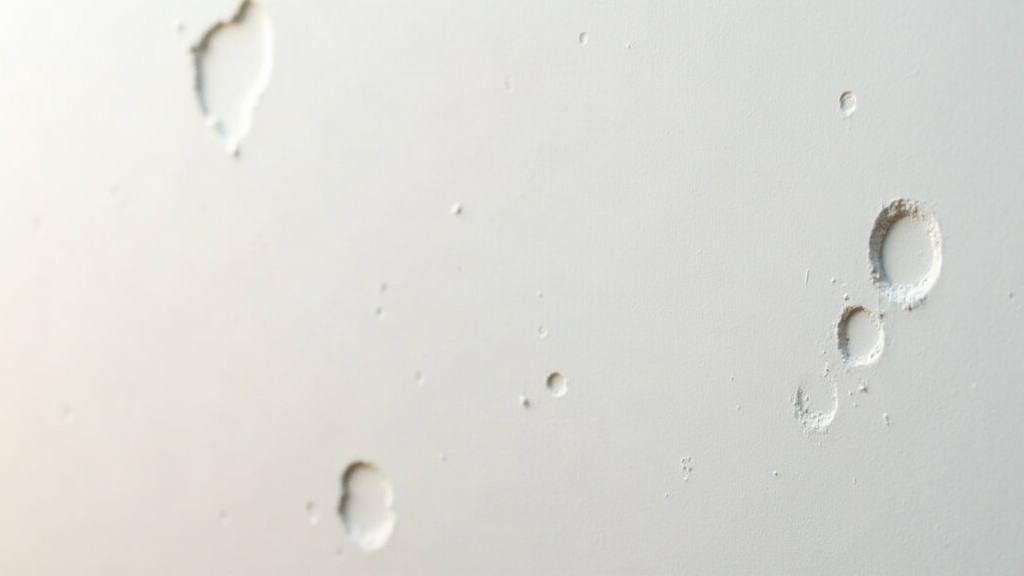
A tiny ding, an old nail hole, or a shallow dent in a living room wall can be surprisingly annoying once you notice it. The good news is that small drywall damage usually does not need mesh tape or a full patch kit. With the right filler, a little prep work, and about an afternoon, you can make the repair disappear without dealing with bulky fiberglass tape—much like how you can refresh kitchen cabinets by skipping tedious sanding steps.
When Can You Safely Skip the Mesh Tape?
It helps to know where the line is. Mesh tape and paper drywall tape bridge larger gaps, add support, and reduce the chance of cracking later.
For a hole under 1 inch across, tape is generally unnecessary. That covers common marks such as:
- Holes left by picture-hanging nails or screws.
- Small dents caused by a doorknob or furniture bumping into the wall.
- Empty holes from drywall anchors that have been removed.
Once a hole is wider than an inch, the repair needs more support. The same applies if the drywall behind the surface has broken away and filler would simply drop into the wall cavity. In those cases, use a patch kit or mesh tape. For a typical 1/4-inch nail hole, though, spackle or joint compound will do the job just fine.
Tools and Materials You Will Need
There is no need for a professional drywaller’s full kit. Most of these items are inexpensive and easy to find at a local hardware store:
- Spackling compound: Lightweight spackle works especially well for tiny holes because it dries fast and has minimal shrinkage.
- Putty knife: A flexible 2-inch or 3-inch knife gives you good control around a small repair.
- Screwdriver or utility knife: Useful for pushing in or trimming rough edges.
- Fine-grit sandpaper: A 120-grit or 150-grit sanding sponge is ideal.
- Damp cloth or sponge: Use it to clear away sanding dust.
- Primer and matching wall paint: Needed if you want the patch to truly blend in.
Step-by-Step: Fixing Small Holes Without Mesh Tape
Work through these steps carefully. A properly filled hole should feel flat to the touch, not like a raised dot in the middle of the wall.
Step 1: Prepare and Clean the Hole
One of the most common DIY mistakes is spreading compound straight over a jagged opening. If the drywall’s paper face is sticking out, the finished patch will remain visible as a little bump.
Use the hard plastic handle of your putty knife or a screwdriver. Place it over the hole and press gently inward to make a slight concave dimple. The goal is to push frayed paper edges just below the wall surface. Then remove loose dust, broken paper, and crumbly gypsum from the opening.
Step 2: Apply the First Coat of Spackle
Put a small amount of spackle along the edge of the putty knife. Hold the knife at roughly a 45-degree angle and press the filler firmly into the hole. This matters because the compound needs to fill the cavity, not just skim over its surface.
After packing the hole, turn the knife closer to a 90-degree angle against the wall and scrape away the extra material. Leave the patch as level with the surrounding drywall as you can.
Step 3: Allow for Shrinkage and Dry Time
Check the drying time on the product label. Many lightweight spackles dry in under an hour, though humidity and coat thickness can slow that down. Color-changing spackle is handy for beginners: it goes on pink, then turns white when it has dried.
As moisture leaves the compound, the patch may sink slightly and leave a shallow dip. That is normal, especially in a deeper screw hole.
Step 4: Apply a Second Coat (If Needed)
If the first coat dries below the wall surface, add a second, thinner layer of spackle. Spread it a little beyond the original hole and feather the outer edges into the wall. Think of smoothing icing across a small spot rather than building up a mound.
Let the final coat dry fully before sanding. Rushing this stage can tear or drag the soft compound.
Step 5: Sand to a Seamless Finish
When the patch is completely dry, lightly sand it with fine-grit paper using small circular motions. Do not press hard. You are blending the spackle edges into the painted wall, not grinding away the repair.
Run your fingertips over the area. Can you feel where the patch begins? If so, sand very lightly once more. Wipe the wall with a damp cloth afterward to remove all sanding dust.
Step 6: Prime and Paint
Primer is not optional if you want an invisible repair. Raw spackle is porous, so paint absorbs into it differently than it does into the surrounding painted wall. Without primer, the repaired spot can look dull or uneven, an issue called “flashing.”
Dab a small amount of drywall primer over the patch and allow it to dry. Then apply matching wall paint. For best results, feather the paint slightly past the patched area rather than stopping exactly at its edge.
Conclusion
Fixing small drywall holes without mesh tape is one of those useful home-maintenance jobs that takes far less effort than it first appears. Dimple the rough edges, press the spackle deep into the hole, apply a second coat if it shrinks, and prime before painting. Done properly, even an old picture-hook hole can be almost impossible to find afterward.