Chalk Paint vs Milk Paint: Which Lasts Longer on Furniture?
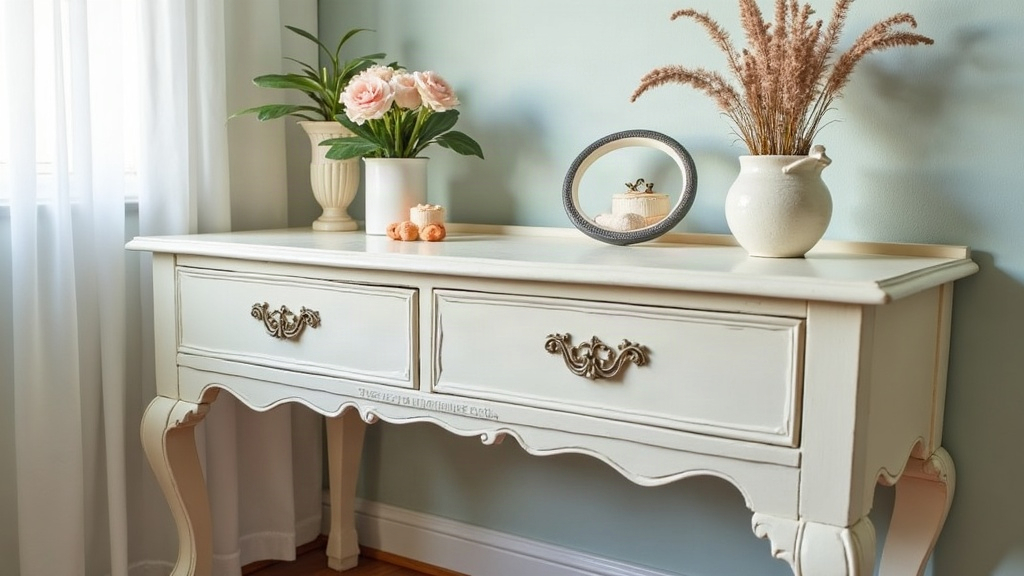
If you’re refinishing an old dresser, cabinet, or table, the chalk paint vs milk paint debate matters more than color choice. It determines how long your finish will actually survive daily use. Short version: chalk paint is more forgiving and durable straight out of the can, while milk paint is more historically authentic but needs a bonding agent and a topcoat to hold up. Neither one automatically wins. It comes down to the piece you’re working with, the look you’re chasing, and how much prep you’re actually willing to do on a Saturday afternoon.
What Is Chalk Paint?
Chalk paint is a thick, matte-finish paint (popularized by Annie Sloan back in the 1990s) built to stick to almost any surface. Wood, metal, laminate, even glass, without sanding or priming beforehand. Once it dries, it has that chalky, velvety texture people associate with farmhouse style.
Pros:
- Minimal prep: works on dirty, glossy, or previously varnished furniture
- Thick coverage hides imperfections and old stains
- Easy to distress for a shabby-chic or farmhouse look
- Dries fast, so you can layer multiple coats in one afternoon
Cons:
- Naturally soft and porous, so it’s prone to scratches and chipping without a sealant
- Requires wax or polyurethane topcoat for real durability
- Wax finishes need reapplication every 1-2 years on pieces that see heavy use
What Is Milk Paint?
Milk paint is an old formula made from milk protein (casein), lime, and natural pigments. It comes as a powder that you mix with water yourself, right before painting. This is the stuff used on antique farmhouse furniture for generations, long before spray cans existed.
Pros:
- Fully natural and non-toxic, which makes it a safe pick for cribs, toy chests, and kids’ furniture
- Creates that authentic, slightly worn antique look people pay extra for at flea markets
- Extremely hard finish once it bonds properly
- No harsh fumes, easy cleanup with soap and water
Cons:
- Unpredictable adhesion on sealed or previously painted wood unless you add a bonding agent
- Can chip or flake naturally (some people love this “vintage” effect, others hate it)
- Needs to be mixed fresh each time; leftovers don’t store well in the fridge for long
- Needs a topcoat (oil, wax, or polyurethane) if you want it to survive real-world use
Durability: Which Actually Lasts Longer?
Here’s the part most blogs conveniently skip: raw, unsealed chalk paint and raw milk paint are both fragile. Durability comes almost entirely from the topcoat you apply afterward, not from the paint itself. Buy the fanciest can of chalk paint on the shelf and skip the sealant, and you’ll still see wear within a year on a kitchen table.
| Factor | Chalk Paint | Milk Paint |
|---|---|---|
| Adhesion without prep | Excellent | Poor (needs bonding agent) |
| Scratch resistance (unsealed) | Low | Low-Medium |
| With polyurethane topcoat | Very durable | Very durable |
| Best for high-traffic furniture | Yes, with hard wax/poly | Yes, with bonding agent + poly |
| Longevity without topcoat | 1-2 years before wear shows | Similar, but chipping look is often intentional |
Seal chalk paint with a hard wax or water-based polyurethane, and it can handle daily use on tables and cabinets for 5 years or more. Milk paint sealed the same way holds up just as well, but only if you used a bonding agent first. Skip that step on a smooth or previously finished surface, and you risk the paint peeling off in sheets, sometimes within weeks.
Which Should You Choose?
- Choose chalk paint if: you’re refinishing furniture that already has paint or varnish on it and want a quick, low-prep project with a soft matte look you can distress by hand.
- Choose milk paint if: you want something eco-friendly, love that authentic antique chippy texture, or you’re working on raw, unfinished wood where adhesion isn’t a concern.
- Choose either if: the piece is going to see heavy daily use, like a kitchen table or an entryway console. Just commit to a durable topcoat such as polycrylic or polyurethane no matter which paint you go with.
Practical Tips for Longer-Lasting Results
- Always clean and lightly scuff-sand the surface first, even with “no-prep” chalk paint. Skipping this step is where most projects go wrong.
- Use a bonding agent (Miss Mustard Seed’s Bonding Agent is a common choice) with milk paint on any previously sealed wood.
- Apply at least two thin coats instead of one thick one. It cures more evenly and avoids drips.
- Finish with a water-based polyurethane on high-use surfaces; wax works fine for purely decorative pieces that won’t get touched much.
- Let the topcoat cure fully, often 7-14 days, before you set anything heavy on it. Rushing this step is how coasters leave permanent rings.
Conclusion
Neither chalk paint nor milk paint wins outright on durability. The real deciding factor is the topcoat and the prep work behind it. Chalk paint offers convenience and forgiveness for busy DIYers who want results fast, while milk paint delivers a natural, genuinely old-world finish for people willing to prep the surface properly. If the furniture needs to survive years of daily wear, seal either paint with a hard topcoat and you’ll get results that last, regardless of which one you picked in the first place.