Chalk Paint vs Milk Paint for Refinishing Old Dressers
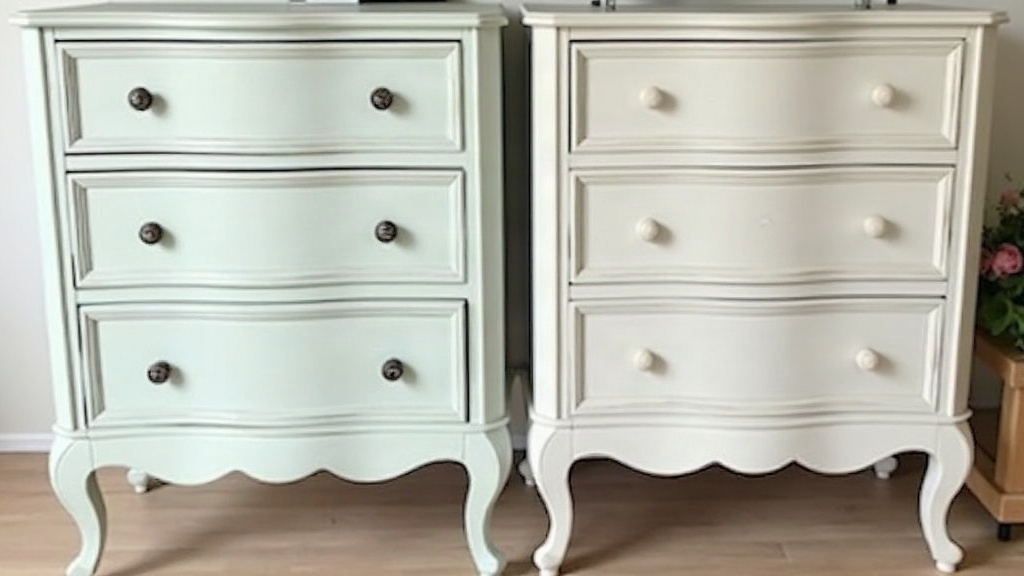
If you’re staring at a thrifted dresser wondering whether to reach for chalk paint or milk paint, here’s the short version: chalk paint is the forgiving choice, great for beginners who want a smooth, modern matte finish without much prep. Milk paint gives you something more authentic, a textured, vintage look that bonds better over the long haul, but it asks more of you in terms of technique and patience. Both can turn out beautifully. They just behave completely differently on wood, and picking the wrong one for your project can mean sanding the whole thing back down and starting over.
What Chalk Paint Actually Is
Chalk paint is a thick, ultra-matte acrylic or mineral-based paint, the kind Annie Sloan made famous years ago. It’s built to grip almost any surface, wood, laminate, metal, even glass, without sanding or priming beforehand.
Pros of chalk paint:
- Minimal prep: a quick wipe-down usually does the trick
- Thick consistency hides dents, scratches, and old stains with ease
- Dries fast, often ready for a second coat within an hour
- Easy to distress, just sand the edges for that shabby-chic look
- Forgiving on brush strokes, since the matte finish camouflages imperfections
Cons of chalk paint:
- Needs a top coat (wax or polyurethane), otherwise it scuffs and stains too easily
- Can feel chalky or soft until it’s properly sealed and cured
- Wax finishes need reapplying every year or two if the piece gets heavy use
- Runs pricier per can than standard paint
If you’re working on a dresser with veneer damage, water rings, or three layers of someone else’s old paint choices you’d rather not strip, chalk paint is your friend.
What Milk Paint Actually Is
Milk paint is an old-world formula, made from milk protein (casein), lime, and natural pigments, and it usually comes as a powder you mix with water yourself. This is the same stuff used on genuine antique farmhouse furniture, which explains why it nails that period-correct look so well.
Pros of milk paint:
- Soaks into raw or porous wood for a deep, breathable bond
- Naturally chips and wears without you having to fake it
- Eco-friendly, low-VOC, and historically accurate for real restoration work
- Mixable thin as a wash or stain, or thick for solid, opaque coverage
Cons of milk paint:
- Adhesion gets unpredictable on sealed or previously painted surfaces unless you add a bonding agent
- Has to be mixed fresh each time you use it; it won’t keep once wet
- That chipping effect is either exactly what you wanted or a flaw you didn’t plan for
- Takes more trial and error to land consistent coverage
Milk paint really earns its keep on dressers made of solid, untreated or lightly finished wood, where that rustic, timeworn character is the whole point.
Durability: Which Holds Up Better?
For a piece that gets used daily, think a bedroom dresser with drawers sliding in and out every morning, durability starts to matter more than looks.
- Chalk paint needs a hard-wearing top coat (polyurethane beats wax for everyday wear) to stand up to scratches from belt buckles, keys, that sort of thing.
- Milk paint, mixed with a bonding agent and sealed properly, actually penetrates the wood fibers. On surfaces where it adheres well, it can outlast chalk paint over time.
Skip the sealant on either one and you’ll see wear fast. That part isn’t optional, whichever paint you pick.
Cost and Prep Time Comparison
| Factor | Chalk Paint | Milk Paint |
|---|---|---|
| Prep work | Minimal (clean only) | Light sanding recommended on sealed wood |
| Dry time | 30–60 minutes | 30 minutes, but layers build character |
| Cost per project | $25–45 | $15–30 (powder stretches further) |
| Top coat required | Yes, always | Recommended for durability |
| Best for beginners | Yes | Moderate learning curve |
Which Should You Choose?
- Go with chalk paint if your dresser has a laminate top, veneer damage, or you’re after a clean, modern matte color without a lot of fuss.
- Go with milk paint if the dresser is solid wood, you’re drawn to a farmhouse or antique look, and you’re okay with some trial and error along the way to get that chippy texture right.
Final Verdict
Neither one wins outright. It really comes down to the look you’re chasing and the shape your dresser is in. For a weekend project that’s basically foolproof, chalk paint wins on sheer convenience. For something with heirloom character, built from eco-conscious materials, milk paint is worth the extra learning curve it demands. Plenty of experienced refinishers keep both paints in the garage at once, reaching for whichever one fits the piece in front of them rather than swearing loyalty to just one.