Epoxy vs Polyurethane for Garage Floor Coating: Which Wins?
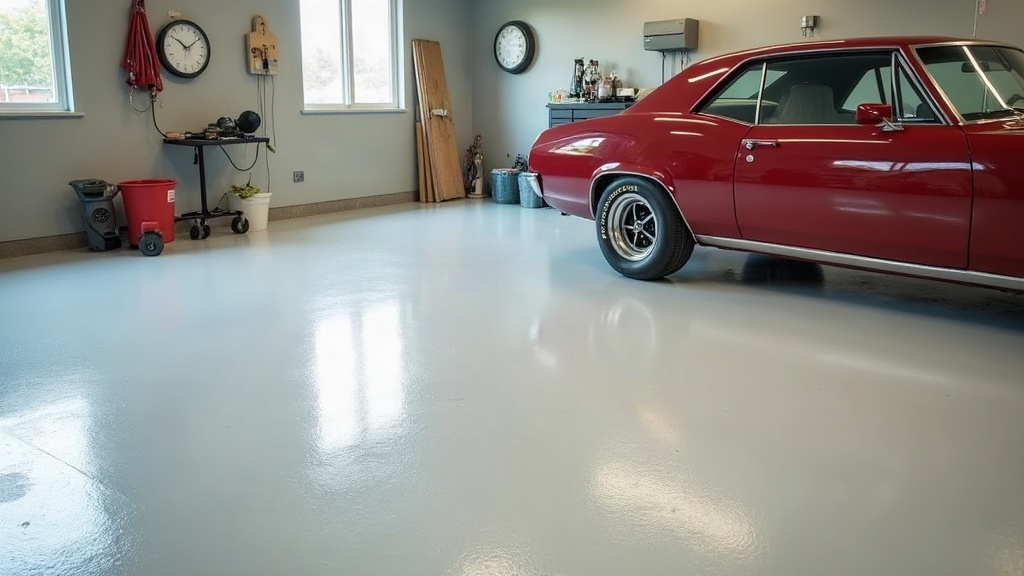
Choosing between epoxy and polyurethane for a garage floor really comes down to one question: how do you actually use that space? Epoxy gives you unbeatable value and chemical resistance for a typical garage. Polyurethane brings better flexibility, UV stability, and abrasion resistance if your floor sees heavy use or a lot of sunlight. Here’s the thing though: most high-performance floors don’t pick one or the other. They use both, an epoxy base coat topped with polyurethane. Still, knowing the trade-offs will help you match the system to your budget and your actual needs.
What Makes Epoxy and Polyurethane Different
Both are two-part resin systems. Mix resin with hardener, let it cure, and you get a hard, seamless surface. But the chemistry behaves differently once it’s down on your floor.
Epoxy cures through a reaction between resin and hardener, building a thick, rigid film, often 10 to 20 mils per coat. It bonds beautifully to properly prepped concrete and shrugs off oil, gasoline, brake fluid, and most household chemicals. That’s exactly why it’s the go-to choice for garages.
Polyurethane lays down thinner and stays more flexible, so it moves slightly with the slab as temperatures rise and fall. It handles UV light much better too (epoxy tends to yellow and chalk after months in direct sun), and it holds up better against scuffs, scratches, and hot tire marks left by vehicles that just pulled in from a summer drive.
Key Differences at a Glance
- Durability: Polyurethane wins on abrasion and impact resistance. Epoxy is harder, yes, but also more brittle, and it can crack under a heavy point load, think of a jack stand or a dropped engine block.
- UV resistance: Polyurethane keeps its color. Epoxy yellows if it sits near a sunny garage door or a big window for too long.
- Flexibility: Polyurethane flexes with small slab movements, so cracking is less likely. Epoxy is rigid, and it can crack right over existing fissures in the concrete.
- Chemical resistance: Epoxy edges it out here, especially against gasoline, motor oil, and harsh solvents.
- Cost: Epoxy kits usually run cheaper, somewhere around $0.50 to $2.50 per square foot for DIY. Polyurethane runs $1 to $3 per square foot, though professional installs swing a lot more depending on the contractor.
- Application difficulty: Epoxy gives you a longer working time (“pot life”), which is forgiving if you’re a first-timer. Polyurethane often cures faster, and that speed can trip up beginners who aren’t used to working against the clock.
- Slip resistance: Both can take anti-slip additives, but polyurethane has a slightly less slick feel on its own.
When Epoxy Is the Better Choice
Epoxy makes sense if:
- Your garage is mostly for parking and storage, not a workshop with constant foot traffic.
- You’re on a tighter budget and want something DIY-friendly.
- The floor doesn’t get blasted by direct sunlight through big windows or an open door for hours at a time.
- You need maximum resistance against spilled oil, antifreeze, or cleaning chemicals.
A basic 100% solids epoxy system with a broadcast flake layer remains one of the most popular garage upgrades for a reason: it hides minor imperfections in the slab and it’s genuinely easy to clean. Spill some motor oil on a Saturday afternoon? Wipe it up and move on.
When Polyurethane Is the Better Choice
Polyurethane earns its higher price tag if:
- Your garage doubles as a home gym, workshop, or hobby space that sees daily foot and equipment traffic.
- You’re parking vehicles with hot tires that would otherwise lift or discolor a plain epoxy coating.
- The garage gets a lot of natural light, enough to yellow a straight epoxy finish within a year or two.
- You live somewhere with big temperature swings, so the slab is constantly expanding and contracting.
The Hybrid Approach: Epoxy Base + Polyurethane Topcoat
A lot of professional installers, and more DIYers every year, combine both materials to get the strengths of each:
- Epoxy primer/base coat bonds tightly to the concrete and handles chemical resistance plus color or flake embedment.
- Polyurethane topcoat seals it all in with UV stability, scratch resistance, and a slightly softer, grippier finish underfoot.
This layered approach costs more upfront than epoxy alone, but it stretches the floor’s lifespan considerably, often 10 to 15 years or more with decent maintenance, compared to 5 to 10 years for epoxy on its own.
Practical Tips Before You Decide
- Test the slab’s moisture levels first. Trapped moisture will cause any coating to peel, no matter which one you picked.
- Prep work matters more than the coating itself. Grinding or acid-etching the concrete properly makes a bigger difference than whether you go with epoxy or polyurethane.
- Check cure times for your climate. Humidity and temperature shift the working window for both products, sometimes by hours.
- Plan for maintenance. Even top-tier coatings need the occasional recoat in spots that see heavy traffic, like right inside the garage door.
Conclusion
There’s no single “best” coating here. It all hinges on how you use your garage, how much sun it gets, and what you’re willing to spend. For a standard parking garage, epoxy still delivers great value and solid chemical resistance. For workshops, home gyms, or floors that bake in sunlight most of the day, polyurethane’s flexibility and UV stability are worth paying more for. And if you want a floor that’s going to outlast everything else, the epoxy-plus-polyurethane combo is the smartest long-term bet.