Fall Gutter Cleaning Mistakes That Cause Ice Dams Later
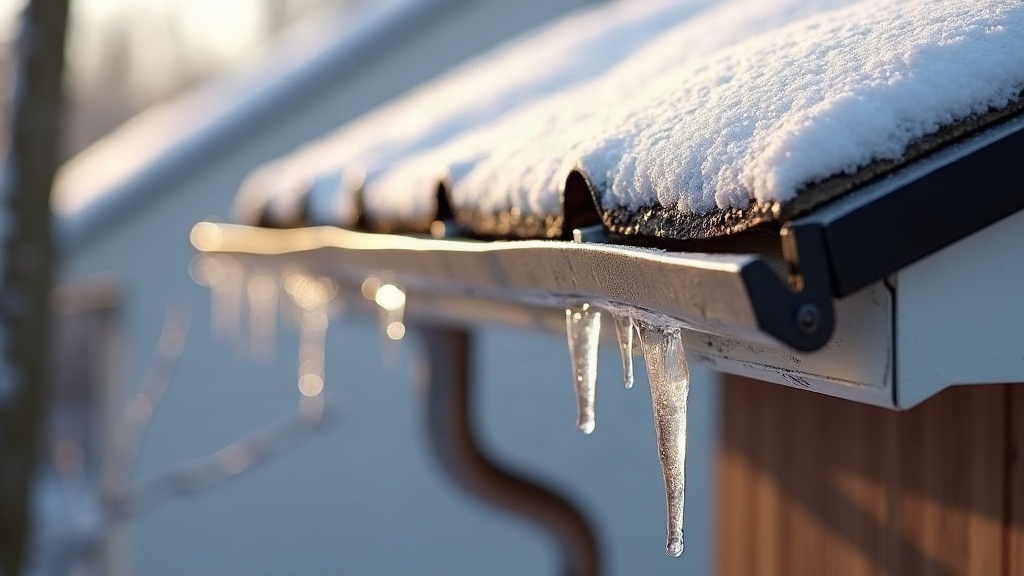
Fall gutter cleaning feels like a simple, one-and-done chore. But doing it wrong is one of the biggest hidden causes of ice dams later in winter. When gutters aren’t cleaned properly, melting snow and ice have nowhere to go except backward, under your shingles and into your attic or walls. Below are the most common fall gutter cleaning mistakes homeowners make, and exactly how to fix them before the first hard freeze.
Why Fall Gutter Cleaning Affects Winter Ice Dams
Ice dams form when heat escaping from your attic melts the snow on your roof. That water runs down to the colder eaves and refreezes right at the edge. If your gutters are clogged or damaged, that refreezing happens even faster, because the water has no clear path to drain anywhere else. A clean, well-functioning gutter system won’t eliminate ice dams entirely, but it knocks out one of the biggest contributing factors.
Mistake #1: Cleaning Too Early
Many homeowners clean gutters once in early September and call it done for the season. Trouble is, most trees keep dropping leaves well into October and even November. By the time the first freeze hits, gutters that looked fine in September can already be half-full of fresh debris.
Fix: Do a final gutter check after about 90% of the leaves have fallen from nearby trees, even if that means cleaning twice in autumn. Yes, it’s annoying. It’s also cheaper than a ceiling repair in February.
Mistake #2: Only Removing Visible Debris
Scooping leaves off the top of the gutter isn’t enough. Compacted sludge, seed pods, and pine needles tend to settle at the bottom and harden into something closer to papier-mâché after a few rain cycles.
Fix: Flush gutters with a hose after removing debris by hand, just to confirm water flows freely to the downspout. If water pools anywhere along the run, there’s still a blockage hiding underneath.
Mistake #3: Ignoring the Downspouts
Gutters can look spotless while the downspout itself is clogged underground or jammed at the elbow joint. This is one of the most overlooked causes of winter backups, mostly because you can’t see the problem from the ladder.
Fix: Run water through each downspout for at least 30 seconds and watch where it exits. Slow draining or backflow means it’s time to snake the downspout or clear any underground extensions.
Mistake #4: Not Checking Gutter Slope and Attachment
Gutters need a slight slope, roughly a quarter-inch per 10 feet, toward the downspout. Sagging sections caused by loose hangers or years of accumulated debris weight create low spots. Those low spots are exactly where water sits and freezes first.
Fix: While cleaning, check for sagging sections or standing water. Re-secure loose brackets and swap out bent hangers before the cold sets in.
Mistake #5: Skipping Gutter Guards Inspection
If you already have gutter guards installed, fall cleaning is the moment to check they haven’t warped, lifted, or let smaller debris slip underneath them anyway.
Fix: Lift sections of the guard and clear out any buildup trapped beneath. Guards cut down on maintenance, but they don’t eliminate it. Not even close.
Mistake #6: Forgetting Roof Debris Above the Gutter Line
Leaves and twigs that collect in roof valleys often wash straight into the gutters after your first cleaning, undoing all that work within a couple of weeks.
Fix: Use a roof rake or a soft broom, safely, from a ladder or with an extension tool, to clear valleys and flat sections above the gutter line.
Mistake #7: Not Addressing Attic Insulation and Ventilation
This isn’t technically a gutter task, but it’s the root cause most people miss entirely. Clean gutters won’t stop ice dams if your attic is leaking heat unevenly across the roofline.
Fix: Pair gutter cleaning with an attic check. Look for uneven snow melt patterns on the roof during the first snowfall, since patchy melting usually signals insulation gaps or air leaks.
A Simple Fall Gutter Checklist
- Clean gutters after leaf drop is nearly complete
- Flush with water to confirm clear flow
- Test every downspout individually
- Check for sagging or improperly pitched sections
- Inspect gutter guards for debris buildup
- Clear roof valleys and flat roof sections
- Note any uneven snow melt as a sign of attic heat loss
Final Thoughts
Ice dams rarely come from one single failure. They’re usually the result of several small maintenance gaps stacking up over a season. Treat fall gutter cleaning as a multi-step process instead of a quick leaf scoop, and you remove one of the easiest-to-prevent causes of winter roof damage. A thorough cleaning now, paired with a quick look in the attic, can save you from a costly ice dam repair bill when temperatures finally drop.