Dishwasher Leaves Film on Glassware? Causes & Fixes That Work
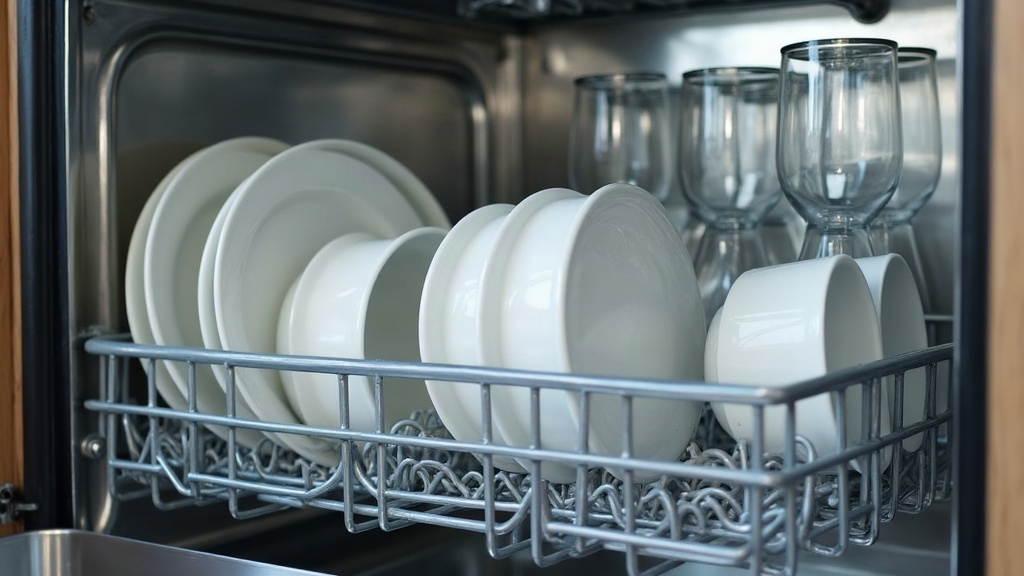
If your dishwasher keeps leaving a cloudy or greasy film on your glasses, there are really only three usual suspects: hard water buildup, rinse aid that’s run dry, or detergent residue sitting around because the water wasn’t hot enough to rinse it off. The good news? Most of this is a quick home fix. No repair call needed. The bad news is that if your glasses have been etched by years of hard water abuse, that damage is permanent, and you’ll need to replace the glassware itself.
First, Figure Out What Kind of Film You’re Actually Dealing With
Cloudiness isn’t all one thing, and the fix depends entirely on which type you’ve got.
- Rinse-off film (fixable): Rub a glass with a dab of white vinegar. If the haze wipes away, you’re dealing with mineral deposits or detergent residue, and that’s completely correctable.
- Permanent etching (not fixable): If the vinegar does nothing, the glass itself has been chemically damaged by years of hot water and harsh detergent exposure. That’s physical wear on the surface, not a cleaning issue, and no amount of tweaking your dishwasher settings will bring it back.
This test takes about 30 seconds. Do it first, it’ll save you from troubleshooting a problem that’s already beyond fixing.
Common Causes of Filmy Glassware
1. Hard Water Mineral Deposits
In hard water areas, calcium and magnesium don’t fully rinse away. Instead they dry onto glass as a chalky white haze. This is, by far, the most common cause across the country.
Fix:
- Run an empty cycle with a cup of white vinegar set upright on the top rack. The vinegar eats through mineral buildup both inside the machine and on your glassware.
- If your dishwasher supports it, install a built-in water softener, or just toss in a dishwasher-specific softener packet with each load.
- Test your water hardness. Anything above 7 grains per gallon (GPG) and a whole-house softener starts to pay for itself pretty quickly.
2. Low or Empty Rinse Aid
Rinse aid’s whole job is breaking surface tension so water sheets off glass instead of beading up and drying into spots. Skip it, especially with hard water, and film is almost a guarantee.
Fix:
- Check the rinse aid dispenser (usually right next to the detergent compartment) and top it off. Most households go through roughly 1-2 ounces a week.
- If your machine has an adjustable dial (Bosch, Whirlpool, and KitchenAid all do), bump the rinse aid dosage up a notch.
3. Using Too Much Detergent
Here’s the counterintuitive one: too much detergent is actually one of the top causes of film. Excess soap doesn’t rinse out completely, especially on shorter eco cycles.
Fix:
- Stick to the amount printed on the packaging, which is usually less than people assume, especially with concentrated pods.
- If film keeps showing up, ditch the “eco” or “quick wash” setting for “normal” or “heavy.” Those cycles use more water and run longer rinse phases.
4. Water Temperature Too Low
Both detergent and rinse aid need hot water, at least 120°F (49°C), to do their job properly. If your water heater is dialed down too low, residue simply won’t dissolve.
Fix:
- Before starting a cycle, run your kitchen tap until the water turns hot.
- Check your water heater’s setting. 120°F hits the sweet spot for both safety and dishwasher performance.
5. Clogged Spray Arms or Dirty Filter
A grimy filter or blocked spray arm holes mean food particles and grease just get recirculated back onto your glasses instead of washed away.
Fix:
- Pull out the bottom filter and rinse it under running water, once a month is a good habit.
- Grab a toothpick and poke through any clogged spray arm holes.
Quick Troubleshooting Checklist
- Run the vinegar test to confirm it’s residue and not permanent etching.
- Top off the rinse aid and check the dosage dial.
- Cut back on detergent and skip the “eco” cycle.
- Run an empty vinegar cycle to descale the machine.
- Clean out the filter and spray arms.
- Make sure the water heater is set to at least 120°F.
Keeping the Film From Coming Back
- Load glasses on the top rack, tilted downward, away from the heating element.
- Skip air-drying with the door cracked in a humid kitchen; switch to heated dry instead if the issue is water-related.
- Swap out rinse aid and reassess your detergent choice every few months. Water conditions and product formulas both shift over time.
Conclusion
A dishwasher that’s fogging up your glassware is almost never a sign of a broken machine. It’s usually just hard water, low rinse aid, or too much detergent working against you. Run the vinegar test first to rule out permanent etching, then work through rinse aid levels, detergent amount, water temperature, and filter cleanliness one by one. Get those dialed in, and most glassware comes out sparkling again within a cycle or two.