Why Your Bathroom Exhaust Fan Isn't Clearing Steam: Full Fix Guide
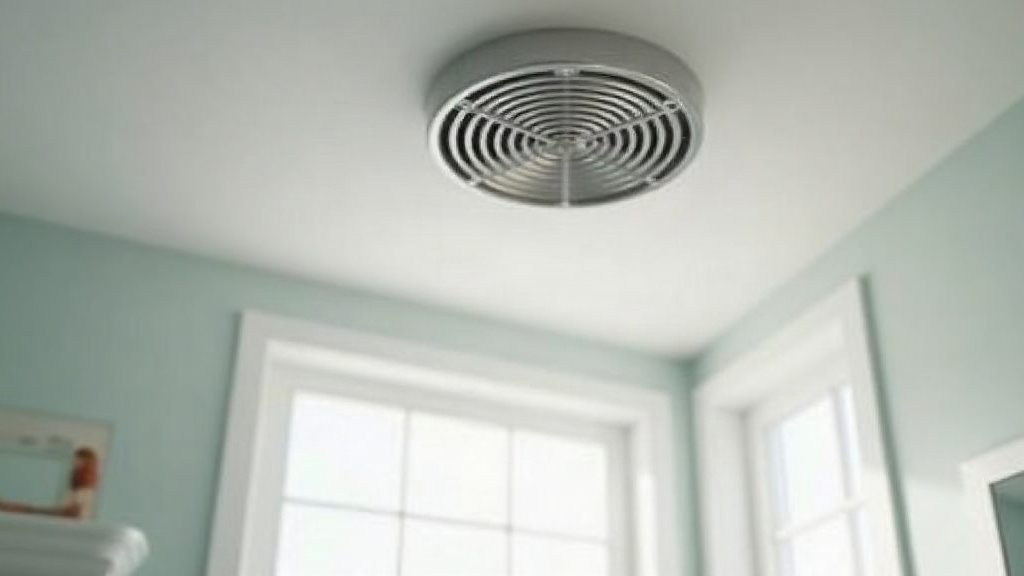
If your bathroom exhaust fan is running but the mirror still fogs up and steam clings to the walls, the motor itself is almost never the culprit. Nine times out of ten it’s airflow, blocked, leaking somewhere, or just too weak for the room you’re trying to clear. Here’s a step-by-step way to figure out what’s actually going wrong, and fix it for good.
Signs Your Fan Isn’t Actually Ventilating
- Steam still clouds the mirror 10+ minutes after a shower
- Paint peeling or bubbling near the ceiling
- Musty smell or visible mold in corners and grout
- Fan sounds strong but you feel little to no suction at the grille
Notice any of these? Your fan is spinning, sure, but it isn’t pulling enough air out of the house to matter.
Step 1: Check the Fan’s Actual Airflow
Grab a single square of toilet paper or a tissue and hold it up to the grille while the fan runs.
- Strong pull, tissue sticks to grille: The fan itself is doing its job. The problem lives downstream, in the ductwork, or the unit is simply undersized for the room.
- Weak or no pull: The motor, the blades, or the intake is where you need to look.
Step 2: Inspect for Dust and Debris Buildup
Bathroom fans quietly collect dust, hair, and grime on the blades and housing over the years. That buildup alone can cut airflow by 30-50%, even while the motor still spins at full speed and sounds perfectly healthy.
Fix:
- Turn off power at the breaker
- Remove the grille cover (usually clips or spring-loaded)
- Vacuum and wipe down the blades, housing, and motor housing vents
- Reinstall and retest with the tissue test
Step 3: Follow the Duct — This Is the #1 Culprit
Here’s the thing most people miss: what looks like a “weak fan” is almost always a duct problem in disguise. Common issues include:
- Crushed or kinked flexible ducting in the attic
- Disconnected duct joints, meaning the fan is literally blowing warm, moist air into the attic insulation instead of outside
- Duct too long or with too many bends, which builds up static pressure the fan just can’t push through
- Bird guard or exterior vent flap clogged with debris, lint, or old nesting material
How to check: If you can get into the attic safely, trace the duct from the fan housing all the way to the exterior vent. Look for sagging sections, disconnections, or spots where it’s been crushed against a joist. Then head outside and check the termination cap too, flip it open and confirm nothing’s blocking it or rusted shut.
Step 4: Confirm the Fan Is Sized Correctly (CFM)
A fan that’s underpowered for the room will never clear steam properly. It doesn’t matter how spotless the blades are.
Rule of thumb: aim for 1 CFM (cubic feet per minute) per square foot of bathroom floor space, with 50 CFM as an absolute minimum. If your bathroom has a separate toilet room or a large soaking tub, add extra CFM per fixture (manufacturer specs will tell you exactly how much).
- Small bathroom (50 sq ft) → 50 CFM fan minimum
- Larger bathroom (100 sq ft) → 100+ CFM fan
- High ceilings or long duct runs → size up further to make up for pressure loss
If the fan’s rated CFM falls short, no amount of cleaning or duct repair is going to fix your steam problem. At that point, you just need a higher-capacity unit.
Step 5: Check Run Time and Habits
Even a fan that’s clean and properly sized needs enough time running to actually clear the humidity out:
- Run it during the shower and keep it going for 15-20 minutes after
- A humidity-sensing fan or a timer switch takes the guesswork out of this, since it doesn’t rely on you remembering
- In very humid climates, cracking a window slightly during long showers gives the fan a bit of extra help
When to Call a Pro
- You find disconnected or crushed ductwork in the attic and don’t want to mess with re-routing it yourself
- The motor is dead, or it’s grinding or smells like it’s burning (that’s an electrical issue, not a DIY afternoon)
- You need to upsize the fan and that means new wiring or a bigger duct diameter
Quick Diagnostic Checklist
- Tissue test at the grille, weak or strong pull?
- Clean the blades and housing, then retest
- Trace the duct run for crushes, disconnects, or blockages
- Check the exterior vent cap for debris
- Confirm the CFM rating actually matches your room size
- Extend run time or add a humidity sensor
Conclusion
A bathroom fan that won’t clear steam isn’t much of a mystery once you go through it step by step. Dirty blades, damaged or disconnected ducts, an undersized CFM rating, and short run times cause nearly every case, roughly in that order of likelihood. Work through the checklist above and, more often than not, you’ll track down the real issue and fix it without ever having to replace the fan itself.