Fixing a Toilet That Runs Intermittently After a Flapper Replacement
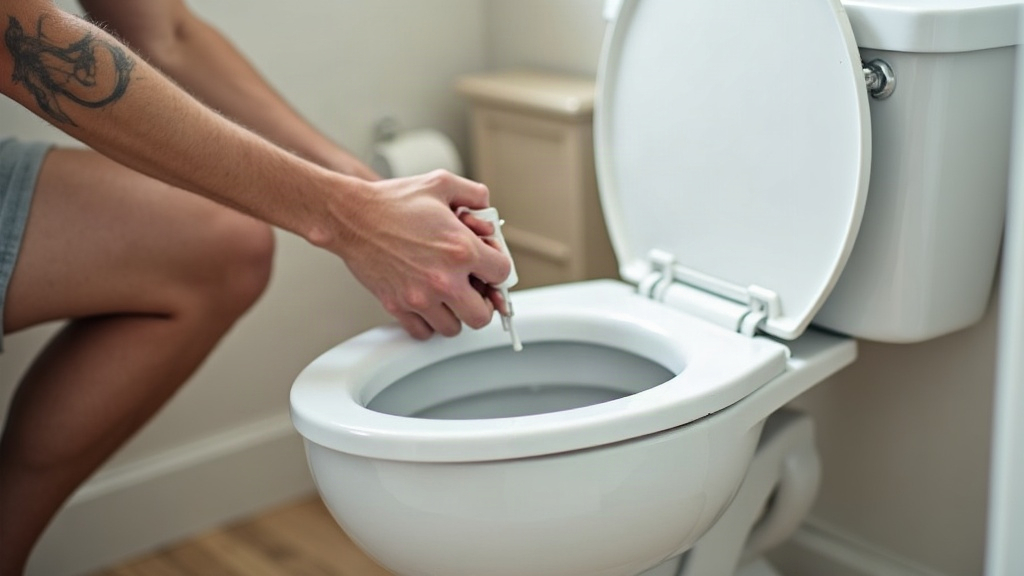
If your toilet keeps running intermittently even after you’ve swapped in a new flapper, you’re definitely not the only one dealing with this. The good news? This is almost always something you can fix yourself, no plumber required. That periodic running (people call it a “phantom flush”) happens when water slowly leaks from the tank into the bowl, and the fill valve kicks on every so often to top things back up. A fresh flapper usually solves this. If yours didn’t, something else in the tank is still letting water slip past or messing with the seal.
Why a New Flapper Doesn’t Always Fix the Problem
Swapping the flapper resolves most cases, but not every one. Here’s what’s likely going on if the running hasn’t stopped:
1. Wrong Flapper Size or Type
Flappers aren’t one-size-fits-all. If the shape or size doesn’t match your toilet model, it won’t seal tight no matter how new it is.
- Check your toilet’s brand (Kohler, American Standard, Toto, whatever you’ve got) and buy the matching flapper.
- Universal flappers work fine for a lot of toilets, but dual-flush and canister-style models often need the exact OEM part, no substitutes.
2. Flapper Chain Is Too Tight or Too Loose
Once you’ve installed the new flapper, the chain linking it to the flush handle arm needs just the right amount of play.
- Too tight: the chain props the flapper open a hair, and water seeps through constantly or in fits and starts.
- Too loose: the flapper can shift out of position or tangle, which throws off the seal.
Fix: leave about half an inch of slack, just enough that the flapper drops flat and closes all the way when you let go of the handle.
3. Mineral Buildup or Debris on the Valve Seat
A brand-new flapper won’t help if the valve seat underneath it (the ring it rests on) is crusted with mineral deposits, rust, or grime. Doesn’t matter how good the flapper is if it’s sitting on a dirty surface.
Fix:
- Shut off the water supply and drain the tank.
- Scrub the seat with a soft cloth and white vinegar; for stubborn calcium buildup, fine sandpaper works too.
- Rinse it well before putting the flapper back on.
4. Warped or Damaged Valve Seat
Older toilets, particularly ones with a corroded or cracked overflow tube, sometimes end up with a warped seat. No flapper, new or old, will seal against that properly.
Fix: look closely for cracks or unevenness around the seat. If it’s damaged, you’ll probably need a seat replacement kit, or in worse cases, a whole new fill valve assembly (a lot of these now come as one unit with the seat built in).
5. Fill Valve or Float Issues
Sometimes the flapper was never the real problem. It’s the fill valve. If the float sits too high, the valve can trigger on and off as water drains just enough to dip below the fill line, then refills, then drains again.
Fix:
- Lower the float so the water level lands about an inch below the top of the overflow tube.
- If the fill valve itself is old or acting up, just replace it while you’re in there. Doing both at once saves you a second trip under the lid later.
Step-by-Step Troubleshooting Checklist
- Run the dye test: drop a few drops of food coloring into the tank, wait 15 to 20 minutes without flushing, and check the bowl. Color showing up there means water’s leaking past the seal.
- Check the chain length and adjust it if it’s too tight or too loose.
- Clean the valve seat thoroughly, even if it looks spotless at a glance.
- Double-check the flapper model against your toilet’s make and size.
- Inspect the float and fill valve for proper water level and function.
- Pay attention to timing: running every 20 to 30 minutes like clockwork usually points to a seal problem; random, unpredictable running points more toward the fill valve.
When to Call a Plumber
Gone through everything above and it’s still running on and off? You might be dealing with a cracked tank, a bad fill valve assembly, or even pressure issues coming from the supply line. At that point it’s worth calling a licensed plumber, who can usually spot the problem within 15 to 20 minutes on site.
Final Thoughts
A toilet that keeps running after you’ve already replaced the flapper almost always comes down to a seal or alignment issue, not a defective part. Start by checking the chain length and cleaning the valve seat; these two get overlooked more than anything else. A little patience and a few small adjustments, and you’ll kill the phantom flushing, trim your water bill, and have your toilet running quietly again like it should.