Why Your Wood Deck Stain Keeps Peeling in High-Sun Patches
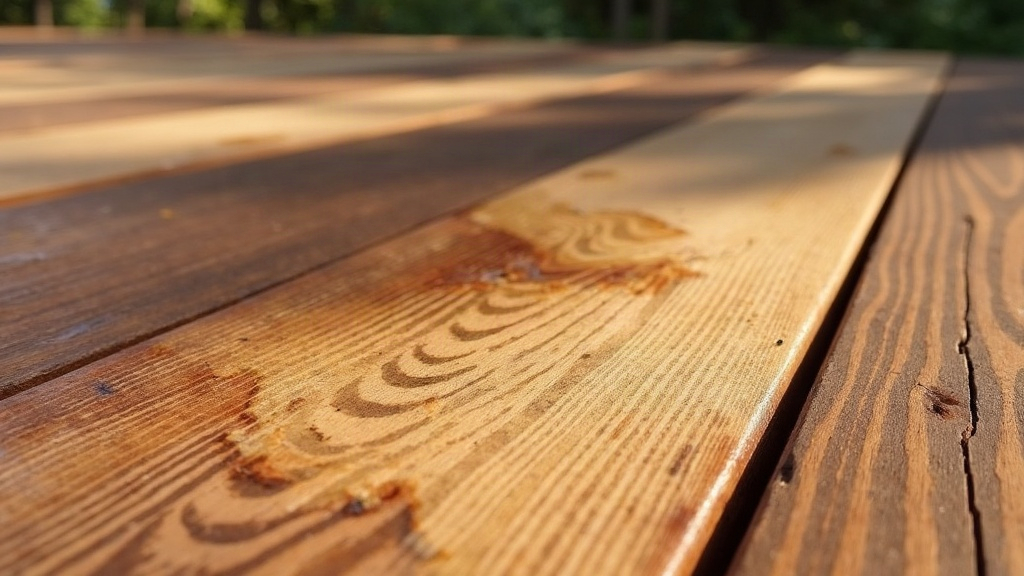
If your deck stain keeps peeling in the same handful of spots, usually the sections that bake in afternoon sun, the culprit is almost always some combination of UV breakdown, trapped moisture, or the wrong product for a high-exposure area. It’s a strange thing to watch: shaded boards hold up fine for years, while a sun-blasted stretch right next to them gives out in a single season. Figure out why that happens and you can actually fix it for good, instead of dragging out the stain can every spring for the same three boards.
Why Peeling Happens Only in Sunny Spots
Wood isn’t a static material. It swells, shrinks, and breaks down at different rates depending on what it’s exposed to. Boards sitting in full sun go through a far rougher cycle than shaded ones nearby, and that stress is precisely what breaks the bond between stain and wood.
1. UV Rays Break Down the Finish Faster
Ultraviolet light eats away at the resins and binders in stain, particularly the film-forming types (solid or semi-solid) that sit on top of the wood almost like a layer of paint. In high-sun zones, this breakdown can happen two to three times faster than in shade, and the surface eventually cracks, curls, and lifts away.
2. Heat Causes Rapid Expansion and Contraction
A board sitting in direct sun can hit surface temperatures 30 to 40°F higher than a shaded board two feet away on the same deck. That constant heating and cooling forces the wood to expand and contract more aggressively than it would otherwise, and the stain simply can’t keep up. It tends to lift at the edges first, which is usually where you’ll spot the first flakes.
3. Moisture Gets Trapped Underneath
Here’s the part most people miss: sun damage isn’t purely a heat problem. Morning dew or a light rain shower that dries off quickly in a sunny spot can still work its way into tiny cracks in a weakened finish. Once that moisture is trapped under a film-forming stain, it has nowhere to go, and the sun’s heat basically cooks it in place, pushing the coating up from below.
4. Wrong Stain Type for the Exposure Level
A mistake I see constantly: someone applies a solid stain (great look, but it forms a film) on a section of deck that gets six-plus hours of direct sun a day. Film-forming products peel far more easily than penetrating, oil-based stains, which soak into the wood fibers rather than sitting on the surface waiting to crack.
How to Confirm It’s Sun-Related (Not Just Bad Application)
Before you chalk it all up to UV damage, run through these checks:
- Peeling is confined to south- or west-facing sections (the sides that catch the most sun in the Northern Hemisphere).
- Boards shaded by furniture, umbrellas, or railings still look solid.
- The finish is breaking into small flakes, not peeling off in big sheets (large sheets usually point to moisture issues or sloppy surface prep instead).
- It’s been more than 2 to 3 years since the last full refinish. Most stains simply age out faster under nonstop UV exposure.
How to Fix Peeling Patches Properly
- Strip it, don’t just sand it. Use a deck stripper to get the failing stain off down to bare wood. Sanding over peeling film-forming stain just buries the problem under a fresh coat.
- Give the wood time to dry out completely. Aim for moisture content under 15% before restaining. A cheap moisture meter (under $20) takes the guesswork out of this step.
- Switch stain types if that’s the root cause. For sun-heavy zones, a penetrating semi-transparent oil-based stain with UV inhibitors will outperform a solid or film-forming product every time.
- Keep coats thin and even. Thick applications cure unevenly in direct sun and are far more likely to peel again down the road.
- Pick the right weather window. Don’t stain in direct sun. Work early morning or late afternoon instead, and check the label for the ideal surface temperature, usually somewhere between 50 and 90°F.
Preventing It From Happening Again
- Treat high-sun sections on a shorter maintenance cycle than the rest of the deck. A yearly touch-up on those boards beats redoing the whole deck every 2 to 3 years because one corner failed early.
- Add shade where it makes sense. A pergola panel, a sail shade, or even a few well-placed planters can knock down UV exposure on the worst-hit boards.
- Pick stains built for high-UV climates. If you’re in the Southwest, Florida, or anywhere with brutal sun, look specifically for products labeled “UV blocking” or “fade-resistant.”
- Clean the deck once a year with a wood-safe cleaner. Surface grime speeds up UV breakdown more than people realize.
Final Thoughts
Peeling that shows up only in the sunny patches isn’t bad luck, it’s the predictable outcome of UV stress, heat cycling, and sometimes just the wrong stain for the job. Touching up the flaky spots won’t fix anything long-term. Strip them properly, switch to a more UV-resistant penetrating stain, and start treating the high-sun areas as their own maintenance zone, one that needs more attention than the rest of the deck. Do that and the same patch stops failing on you every single year.